COVID-19 and Unfair Preference Claims: Part 1
In these unprecedented and economically stressful times we face as a nation, many organisations will struggle to survive in the short, and ultimately, long term. Thousands of Australians may have or will lose their jobs, whilst thousands of businesses may end up in a position where they are unable to meet their debts and enter into a state of insolvency.
As a result, many questions and uncertainties will arise regarding the creditors of a company and how recoveries may be made for the benefit of all those creditors. Being experts in the fields of litigation, insolvency & restructuring, Chamberlains often receives queries about unfair preference claims. As part of an ongoing series of articles discussing insolvency in difficult times, this blog will highlight the elements of unfair preference claims and time periods relating to the claim.
What is an unfair preference claim?
A claim for an unfair preference arises where a company enters into a transaction with an unsecured creditor, in which the creditor is paid more in relation to the debt the Company owes than the creditor would have received if all the ordinary unsecured creditors were paid out in a liquidation scenario. The payment is considered an unfair preference because it has given the creditor an advantage over other creditors of the company, deeming it unfair.
Unfair preference claims are governed by the Corporations Act 2001 (Cth). Section 588FA provides the elements that have to be met for a transaction to be an unfair preference. Section 588FE provides the time period in which the transaction must happen in order for an unfair preference claim to be made.
How does an unfair preference claim arise?
An unfair preference claim is usually brought forward by a liquidator on behalf of the company in liquidation. However, in order for this to occur, liquidators must prove the following:
- The company must be in a state of insolvency at the time of payment to the creditor;
- The company and the creditor must both be parties to the transaction;
- The payment made to the creditor must be in relation to an unsecured debt;
- The payment/transfer of assets must give the creditor an advantage over other creditors; and
- The payment must occur during a particular timeframe.
When does an unfair preference claim arise?
A claim for an unfair preference will arise if the transaction had occurred within a statutory period, which is calculated using a date referred to as the ‘relation back day’. Usually the relation-back day will be the day the creditor who wound up the company made its application to court, but this will vary depending on how the company was ultimately wound up, whether it was in voluntary administration beforehand, etc. As mentioned, the period is usually 6 months prior to the relation-back day, unless a related entity of the company is a party to it, in which case it will be 4 years.
Series part 2
Part 2 of our series will discuss the implications of an unfair preference claim on both parties, as well as defences to such claims.

Please contact Mr Stipe Vuleta of our Insolvency & Reconstruction Team if you have any questions regarding unfair preference claims on 02 6188 3600
Related articles

JobKeeper Disputes
The Fair Work Commission is responsible for applying provisions of the Fair Work Act 2009, Fair Work (Registered Organisations) Act...
Read more about JobKeeper Disputes
Corporations Act modified for the use of technology
The Treasurer of Australia has issued a legislative instrument modifying certain provisions of the Corporations Act 2001 (Cth) (the Act)....
Read more about Corporations Act modified for the use of technology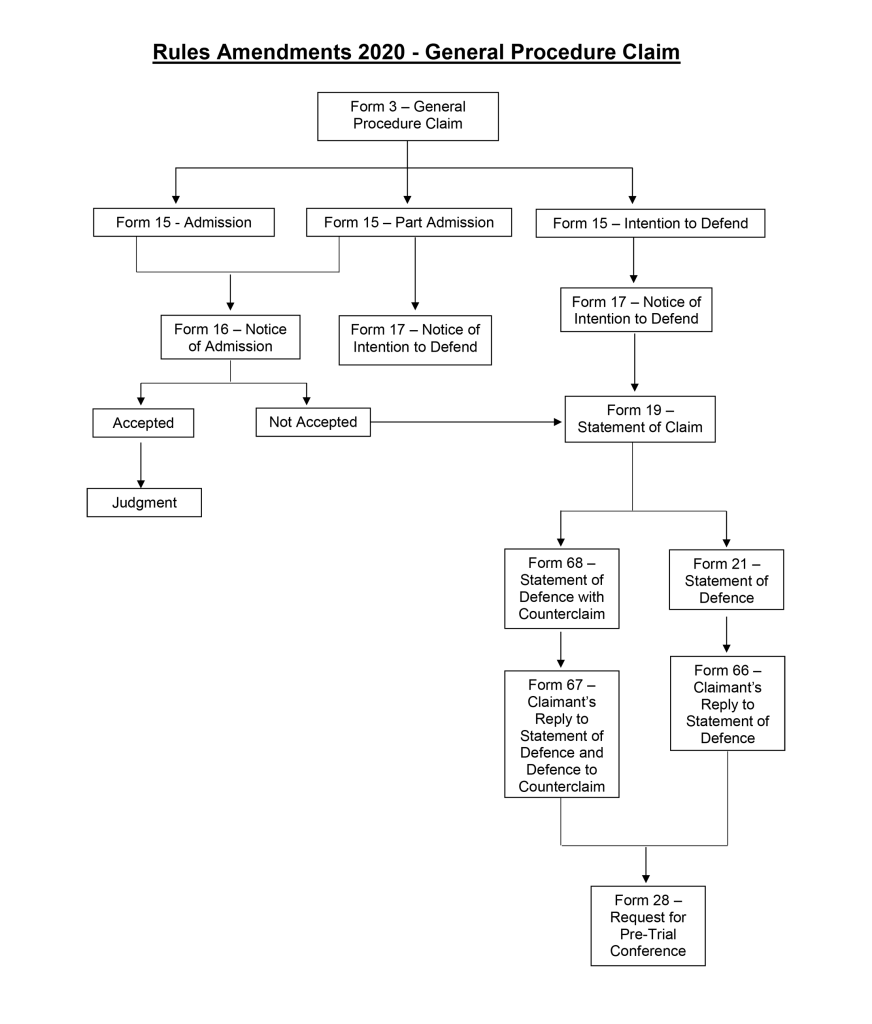
Civil Procedure Changes in the WA Magistrates Court
As at 1 June 2020, civil procedure in the WA Magistrates Court has changed in an attempt to contemporise and...
Read more about Civil Procedure Changes in the WA Magistrates Court
New Sydney Address
We've moved! Chamberlains Law Firm is delighted to announce that as part of our commitment to continued growth, our Sydney...
Read more about New Sydney Address