Managing assets? Fill out your details and get expert support.


    This site is protected by reCAPTCHA and the Google Privacy Policy and Terms of Service apply.

    We picked the most highly specialised and talented lawyers

    We focus on providing our clients with a holistic range of services to ensure the most tax effective and asset protective structuring of their affairs.

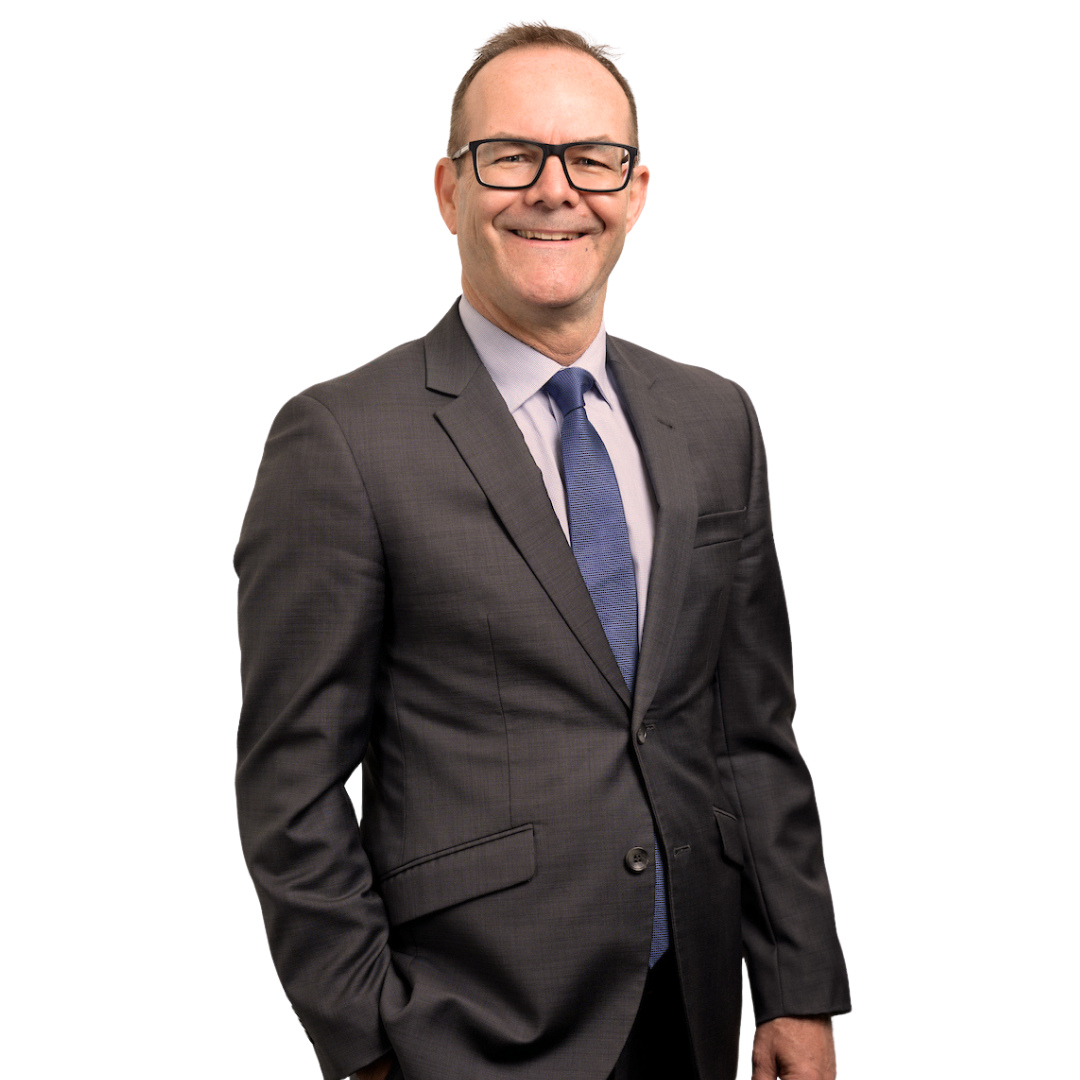
    Stipe Vuleta

    Managing Director

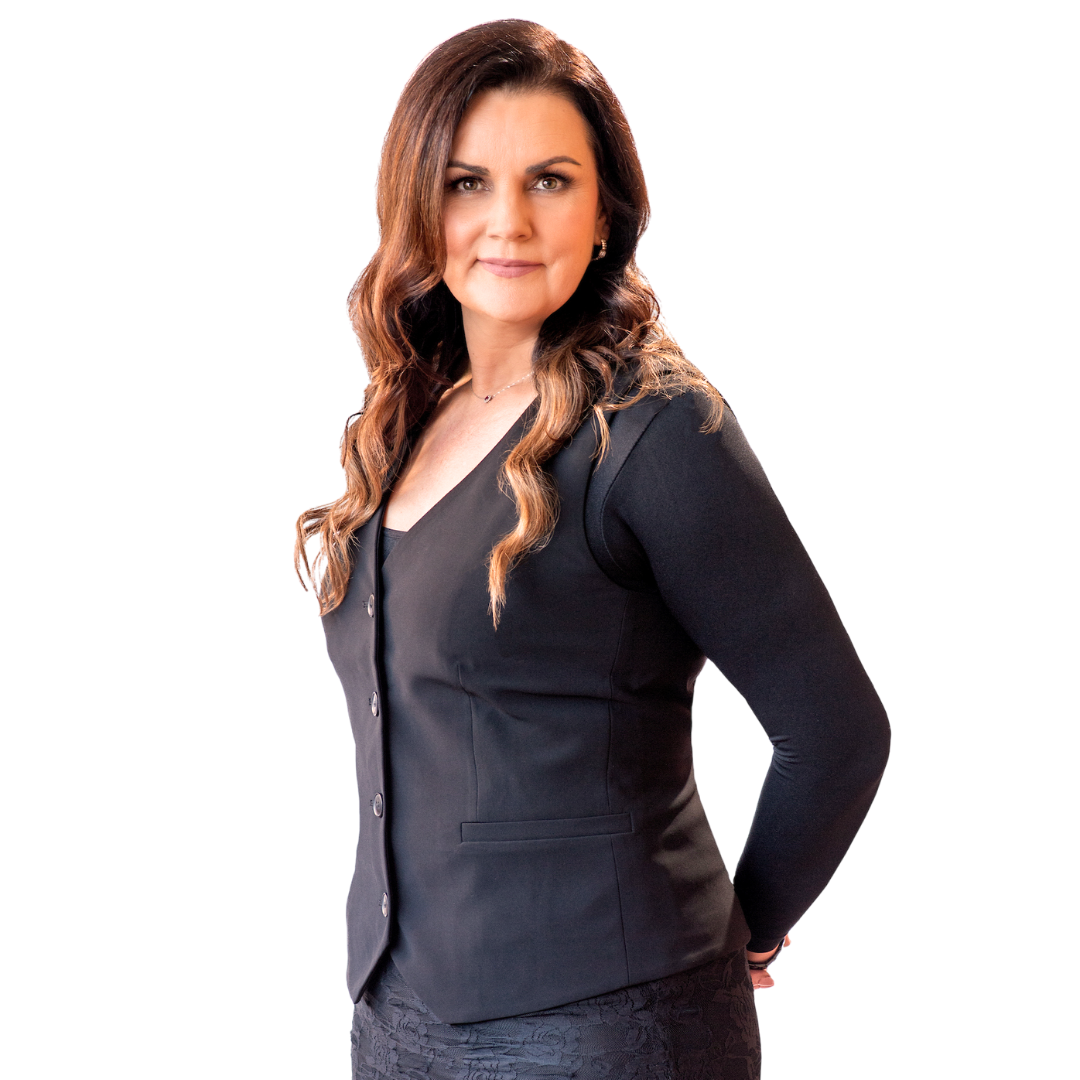
    Angela
    Backhouse

    Director

    Ben Hatte

    Director

    Harold O’Brien

    Director

    Marissa Dimarco

    Director

    Breshna Abawi

    Associate

    Reina Katsumata

    Law Graduate

    Mia Topen

    Paralegal

    Our process

    01Assessing your investment portfolio

    We review your existing investments, ownership structures, asset classes, and income flows to understand how your portfolio is currently structured.


    02Identifying risk and tax exposure

    We identify areas of legal, financial, or tax exposure that may affect performance, flexibility, or protection.


    03Designing the investment structure

    We develop a tailored structuring strategy that balances growth, tax efficiency, and asset protection.


    04Implementing investment vehicles

    We establish and document the appropriate entities and ownership arrangements, coordinating with advisers where required.


    05Reviewing and adapting over time

    We provide ongoing review to ensure structures remain effective as markets, laws, and circumstances change.


    Our services

    01 Investment Vehicle Optimisation

    Selecting Appropriate Ownership Vehicles

    The choice of investment vehicle affects tax, risk, and flexibility. We advise on the use of trusts, companies, partnerships, and layered structures.

    Correct vehicle selection supports sustainable outcomes.

    Managing Risk and Exposure Through Structure

    Ownership vehicles influence liability and protection.

    • Exposure arising from direct versus indirect ownership
    • Interaction between investment and business risk
    • Legal implications of control and decision‑making

    Well‑designed structures contain risk.

    Supporting Long‑Term Investment Goals

    Vehicle selection aligns with growth, income, and exit strategies over time.

    Managing Income and Capital Gains Tax

    Investment structuring has a direct impact on taxation of income and gains. We design structures that manage timing and allocation of tax outcomes.

    Efficiency preserves returns.

    Distribution and Cash Flow Planning

    We advise on lawful distribution of investment income.

    • Income streaming considerations
    • Timing of distributions
    • Alignment with personal and family tax profiles

    Strategic planning improves outcomes.

    Coordinating with Broader Tax Planning

    Investment tax strategies are aligned with broader wealth plans.

    Structuring for Portfolio Expansion

    As portfolios expand, structural inefficiency can compound. We advise on scalable ownership frameworks.

    Early planning reduces friction.

    Managing Multiple Asset Classes

    Portfolios often span property, equities, private investments, and alternatives.

    • Structural alignment across asset classes
    • Consistency of control and reporting
    • Risk containment across the portfolio

    Alignment strengthens governance.

    Supporting Intentional Growth

    Growth strategies are aligned with long‑term objectives rather than reactive decision‑making.

    Managing International Investment Exposure

    Cross‑border investments introduce additional complexity. We advise on structuring global investments compliantly.

    International planning reduces risk.

    Coordinating Tax and Reporting Obligations

    Global investments interact with Australian tax and regulatory frameworks.

    • Withholding tax considerations
    • Reporting and disclosure obligations
    • Interaction with foreign structures

    Coordination prevents inefficiency.

    Integrating Global Assets into Domestic Structures

    International investments are structured to operate coherently with domestic holdings.

    Separating Investment Risk from Core Wealth

    Investments can expose assets to legal or financial risk. We integrate protection strategies into investment structures.

    Protection preserves capital.

    Managing Exposure to Claims and Disputes

    Risk exposure can arise unexpectedly.

    • Legal claims related to investment activity
    • Contagion risk between assets
    • Structural resilience under pressure

    Built‑in protection strengthens durability.

    Balancing Protection and Control

    Effective protection must remain commercially workable.

    Reviewing Existing Investment Structures

    Over time, structures may become inefficient or misaligned. We review existing frameworks for risk or inefficiency.

    Early review improves outcomes.

    Responding to Change

    Investment structures must adapt as circumstances evolve.

    • Market conditions and asset performance
    • Family or ownership changes
    • Legislative or tax reform

    Adaptation preserves effectiveness.

    Ongoing Strategic Support

    We provide continued advisory support as portfolios evolve.

    Long‑term involvement supports confidence.

    Why Choose Us for Investment Structuring?

    Investment success is not determined by performance alone. The structure behind your investments can significantly influence risk exposure, tax efficiency, flexibility, and long term outcomes. Without a deliberate and well considered framework, even strong returns can be diluted by unnecessary tax leakage, legal vulnerability, or structural inefficiency.

    At Chamberlains, we approach investment structuring as a strategic foundation for sustainable wealth creation. We take the time to understand your objectives, risk tolerance, family circumstances, and growth plans before recommending any structure. Whether you are building a diversified portfolio, expanding internationally, or consolidating existing investments, our advice is designed to align structure with strategy.

    We recognise that investments evolve. Markets shift, laws change, and personal circumstances develop over time. Our role is not simply to establish an entity, but to create a flexible and resilient framework that can adapt without triggering avoidable cost or disruption.

    How We Support You Through Investment Structuring

    What We Do What This Means for You
    Analyse current investments Clear understanding of structural strengths and weaknesses
    Design efficient ownership frameworks Improved after‑tax returns and reduced exposure
    Integrate asset protection Capital preserved under stress or dispute
    Coordinate tax and legal planning Fewer unintended consequences
    Support growth and diversification Scalable and intentional portfolio expansion
    Review and adapt over time Structures remain effective as circumstances change

    Things You Should Know

    • Structure Impacts Returns: Tax efficiency and liability exposure directly affect net performance.
    • Early Planning Provides Flexibility: Changing structures later can trigger tax and compliance consequences.
    • Global Investments Add Complexity: Cross border holdings require careful coordination and reporting.
    • Asset Protection Is Foundational: Growth should not come at the expense of security.
    • Regular Reviews Are Essential: Structures must adapt to legislative and personal change.

    Building Strong Foundations for Sustainable Growth

    From trusts and corporate entities to layered and cross border arrangements, every investment vehicle should serve a defined purpose. We ensure your ownership structures are clear, compliant, and aligned with both immediate and long term objectives.

    Position Your Portfolio for the Future

    With thoughtful structuring and ongoing review, investments can operate efficiently, remain protected, and support enduring financial goals. Chamberlains provides the strategic insight and practical implementation needed to help your portfolio grow with confidence across markets and generations.

    Call us at 1300 676 823
    Email us at hello@chamberlains.com.au


    FAQ

    01Why is investment structuring important?

    Investment structuring determines how investments are owned, controlled, taxed, and protected over time. The same investment can produce very different outcomes depending on the structure sitting behind it, particularly once tax, liability exposure, and succession are considered.

    Poor or ad‑hoc structuring often leads to unnecessary tax leakage, exposure to claims, or inflexible arrangements that are difficult to unwind later. At Chamberlains, we help clients design investment structures that support growth while remaining resilient, compliant, and aligned with long‑term private wealth objectives.

    There is no universal answer. The optimal structure depends on your risk exposure, tax profile, investment strategy, and future plans. Personal ownership may appear simpler, but can expose investments to personal liability and limit tax planning and succession flexibility.

    Entity ownership (such as via trusts or companies) can offer improved protection and control when designed properly. We guide clients through these trade‑offs carefully, ensuring the structure chosen reflects both current needs and future considerations rather than convenience alone.

    Investment structuring does not eliminate tax, but it can lawfully influence how, when, and at what rate tax applies. Ownership structures affect income allocation, capital gains treatment, and access to concessional outcomes under Australian tax law.

    Without deliberate planning, investors often pay more tax than necessary or lose flexibility later. Our role is to ensure investment structures support tax efficiency while remaining compliant, sustainable, and defensible over time.

    Investment activity can expose assets to legal, financial, or commercial risk, particularly where investments intersect with business interests, borrowing, or third‑party arrangements. Structuring determines whether those risks are contained or allowed to flow through to core personal wealth.

    At Chamberlains, we integrate asset protection principles directly into investment structures, separating higher‑risk activities from long‑term capital wherever possible. This approach helps preserve wealth under pressure rather than reacting once problems arise.

    Yes. Trusts are commonly used, but they are not inherently effective unless they are fit for purpose and properly administered. When used correctly, trusts can provide flexibility in income distribution, support asset protection, and assist with succession planning.

    However, poorly drafted or misunderstood trusts can create compliance issues, tax inefficiencies, or false confidence. We advise clients not just on whether a trust should be used, but on how it should operate in practice to remain effective.

    Sometimes, but restructuring almost always carries tax, cost, and compliance consequences. Capital gains tax, transaction costs, and complexity often arise when changes are made retrospectively.

    That’s why we emphasise forward‑looking structuring at the outset. By anticipating growth, exit, or succession scenarios early, we help clients avoid being forced into expensive or constrained decisions later.

    Ownership structures determine how investments can be transferred, controlled, or preserved across generations. Without proper alignment, investments may be difficult to pass on, may trigger unintended tax outcomes, or may create disputes among beneficiaries.

    We ensure investment structures are coordinated with broader estate and succession planning, so control, benefit, and intent remain clear over time. This alignment protects both financial value and family relationships.

    Yes. Overseas investments introduce additional layers of tax, reporting, and compliance complexity, including withholding taxes, disclosure obligations, and interaction with Australian law.

    Without coordinated structuring, international investments can become inefficient or risky. We help clients integrate global assets into their broader investment framework so that domestic and international holdings operate cohesively and compliantly.

    Investment structures should be reviewed regularly and whenever there is a material change, such as portfolio growth, new asset classes, changes in family circumstances, or legislative reform.

    Structures that worked previously can become inefficient or exposed over time. Ongoing review allows us to adapt frameworks before issues arise, preserving flexibility and resilience.

    Legal advice should be sought before acquisitions, restructures, or significant investment decisions are made. Once transactions are underway, structuring opportunities may be lost or limited.

    Early involvement allows us to design frameworks deliberately, rather than retrofitting solutions after problems appear. This proactive approach gives clients greater control and confidence in their investment strategy.

    Recent Articles

    28.04.2026

    Overview of Changes to the Children’s Services Award As of 1 March 2026, significant changes to the Children’s Services Award take effect as a result of the G....

    Read more
    26.04.2026

    At Chamberlains Law Firm, our insolvency, litigation and restructuring team are here to guide you through the complexities of settlement offers. Whether you are de....

    Read more

    Need legal support?

    Call or email us now